Posted by Custom Coils on | Comments Off on When to Choose Custom vs. Off-the-Shelf Coils
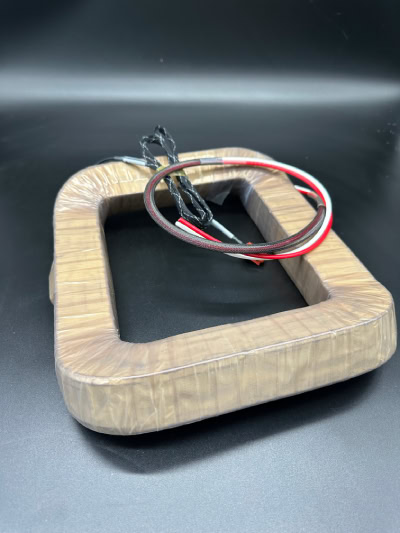
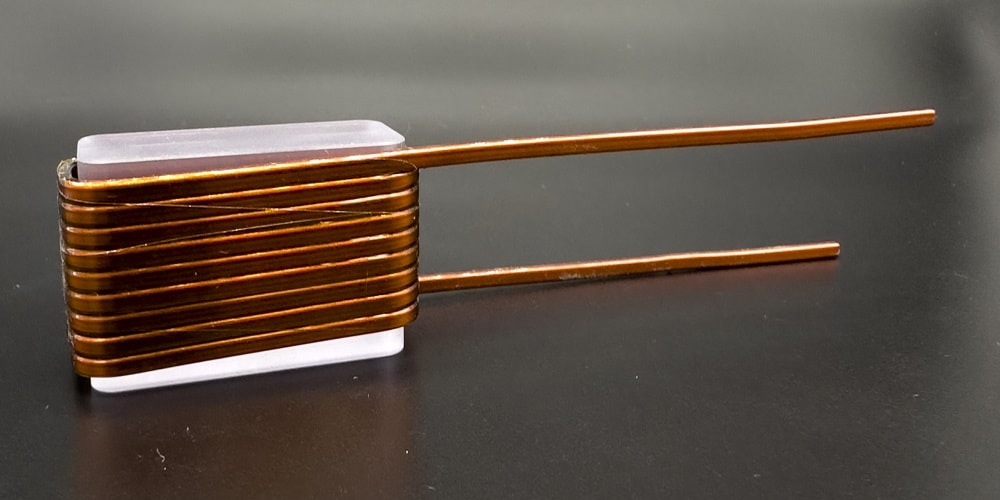
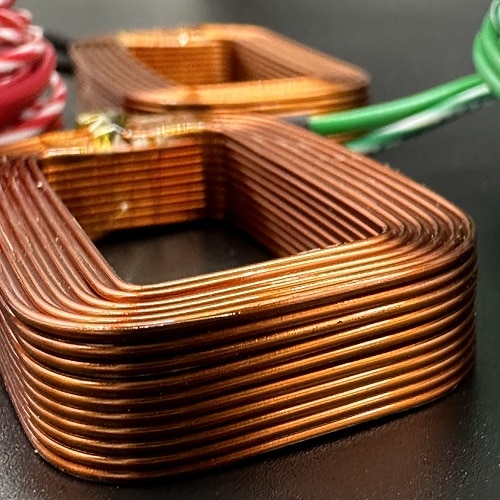
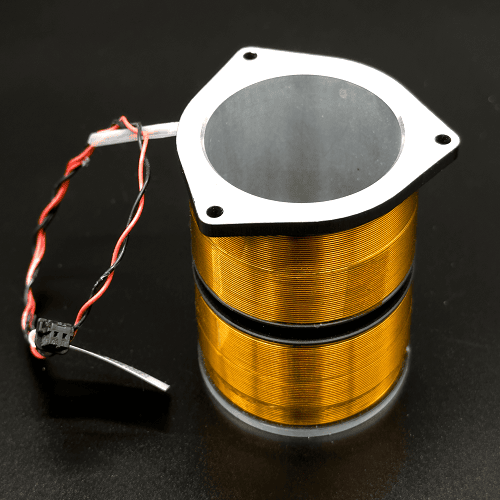
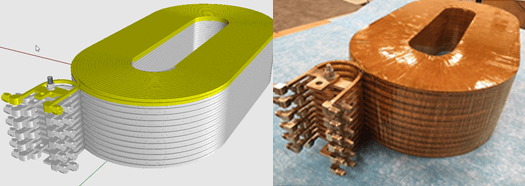
Every engineering choice has trade-offs. As a general rule of thumb, most off-the-shelf coil components have fast lead times, are more cost-effective, and are available from multiple sources. But custom products offer optimal performance for specialized applications and are tailored for your specific operating environment. Many critical applications, such as medical imaging and scanning, semiconductor manufacturing, and satellite production, depend on optimized design performance of their electromagnetic assemblies.
Choosing the right coil is an important decision that must consider finances, long-term product success, and competitiveness in your industry. For electromagnetic assemblies with certain application constraints, custom coils are the best option.
Main Considerations
Every production project will have unique concerns that take precedence. Here are four key factors when specifying a coil for your project.
Cost
Cost is a major consideration for every project. Off-the-shelf coils are generally most affordable upfront because they have already completed laboratory and regulatory testing for product safety and have wide availability across multiple manufacturers.
However, due to their design limitations, off-the-shelf coils in highly specialized products can lead to suboptimal performance, which can mean higher replacement costs over the product’s entire service life or even product failure. In fact, if the magnetic coil in your application is so critical that achieving less than optimal performance means product failure, then a custom coil is your only option.
Performance Requirements
Off-the-shelf coils may not align with particular design and performance needs, leading to poor or inconsistent performance and frequent replacements. If you have unique performance requirements, a custom coil manufacturer can work with you to create precision-engineered solutions that provide the right power, connections, mounting, thermal management, and mechanical properties within the given space constraints.
Operating Environment
Different electromagnetic assemblies are intended for different environments, each with its own potential hazards that can shorten the functional lifespan of a coil. Off-the-shelf coils can be designed for particular uses, but custom coils better serve highly specific, regulated applications with harsh operating environments, such as extreme cold or heat, radiofrequency interference (RFI), and more.
Lead Time
Since off-the-shelf coils don’t have prototyping and testing periods, their lead times are much faster than custom coils. However, if you partner with an experienced custom coils provider, they can streamline these processes as much as possible while delivering a coil that’s a perfect fit for your application.
When to Choose Custom Over Off-the-Shelf Coils
Custom coils should be chosen instead of off-the-shelf coils in these situations:
When off-the-shelf coils don’t meet your application parameters
When the magnetic component in your application is so critical that achieving optimal performance makes the difference between failure and success
When your products need to handle critical operations, such as environmental extremes
How to Find a Quality Custom Manufacturer
It’s important to choose a high-quality custom manufacturer that offers full-service operations from design to prototyping to production.
Design and Engineering
Your custom coil manufacturer should specialize in coil design and engineering, including design for manufacturability (DFM) analysis. Custom Coils provides design support and engineering expertise to create designs that exactly align with project parameters and tight tolerances.
Prototyping and Development
Prototyping and small-run production are critical stages in developing a high-performance custom coil. We provide small-batch manufacturing, prototyping, and testing for thorough R&D before large-scale production.
Manufacturing and Production
Once your designs are finalized, they should move smoothly to full-scale production. Custom Coils offers reliable, precise manufacturing at any scale. We comply with ISO, MIL-SPEC, aerospace, and medical standards so your final products meet the needs of critical industries. We also guarantee on-time delivery with every production order.
Partner with Custom Coils
If your application requires custom mechanical and electrical characteristics, Custom Coils provides complete product development. We work closely with you to design the most effective electromagnetic assemblies that function optimally in your operating conditions and offer maximum output. As specialists in custom coils, we can streamline the quality testing process given our experience and archive of test protocols from past projects. From initial design to prototyping to manufacturing, Custom Coils can handle your project from start to finish.
Contact us today to learn more about our custom coil manufacturing capabilities. Request a quote to start your electromagnetic assembly project.
Posted by John Quinn on | Comments Off on How Electromagnets Are Used in the Medical Industry
In contrast to permanent magnets, which always have a magnetic field, electromagnets only create a magnetic field when electricity runs through them. They are made from coiled wire, often wrapped around a core of ferromagnetic material, such as iron, or a coil with a hollow core (i.e., air core). The coil is connected to a power source, which gives the ability to create the magnetic field, power it down, and manipulate it in precise ways. This has opened the door to advanced medical imaging, instrumentation, and therapy applications.
But to provide these advanced capabilities, the electromagnets need to meet quality standards, such as ISO 13485, and other patient safety requirements. Here, we’ll look at some popular applications of medical electromagnets for diagnostics, therapies, and other tasks.
Diagnostic Equipment (Imaging & Scanning)
Electromagnets are widely used in diagnostic imaging and scanning systems such as MRIs and MPIs.
MRI Machines
MRI machines use superconducting solenoid electromagnet coil systems and smaller gradient coils that align hydrogen protons in a patient’s body. Radiofrequency (RF) coils work alongside these systems to transmit and receive signals. Together, they can generate responsive signals in a patient’s body and detect those signals, which machinery then translates into images.
Magnetic Particle Imaging (MPI)
This developing technology uses multiple electromagnets. A patient is given an injection of iron-oxide tracer nanoparticles, and the electromagnetic coils excite the particles, forcing them to emit signals that sensors can detect and transmit.
MPIs directly create incredibly detailed images that diagnosticians can use to examine their patients.
Other Diagnostic Uses
Other advanced imaging systems include MR spectroscopy for analyzing chemicals in tissue and Xenon MRI for advanced lung imaging.
Therapeutic Technologies
Electromagnetics are used in many advanced therapy and treatment protocols.
Radiation Therapy (Linear Accelerators)
Modern radiotherapy systems use advanced electromagnets to direct and focus particle beams at tumors. They use linear accelerators with custom-wound solenoids or C-core electromagnets for high-precision results.
Targeted Drug Delivery
Researchers have developed methods for harnessing magnetic nanoparticles (MNPs) to deliver doses of medicine within the bloodstream. High-precision electromagnets are used first to direct the nanoparticles to exactly the right site, such as a tumor, and then to trigger the release of the medication. This process delivers high-concentration pharmaceuticals with minimal impact on nearby tissue.
Magnetic Hyperthermia
With this emergency cancer treatment, magnetic nanoparticles are sent to a tumor using electromagnetically powered direction. Then a separate electromagnetic field causes the particles to heat up to around 45° C, killing cancer cells without destroying healthy tissue.
Neuromodulation (Transcranial Magnetic Stimulation (TMS)
In TMS, high-precision electromagnets placed on the patient’s scalp activate to produce short magnetic pulses that stimulate the brain. This non-invasive procedure can help with depression and other neurological conditions.
Surgical and Procedural Tools
Many innovative medical tools and instruments use specialty coil electromagnets. These help with precision guidance and control during surgery and other procedures.
Magnetic Surgical Robots and Devices. Magnetically actuated robotics are controlled with external magnetic fields to assist with surgery.
Magnetically Steerable Catheters and Guidewires. Catheters or guidewires with a magnetic tip can be directed by an electromagnetic field, allowing for safe, fast, and highly controlled movement for stroke interventions and cardiovascular treatments.
Other Magnetic Tools. Other applications for electromagnets include magnetic anchors that hold surgical tools in place, steering mechanisms for wireless endoscopes, and locking retractors.
Research Frontiers in Electromagnetics & Medicine
Scientists and researchers continue to explore new applications for electromagnetics in advanced medical settings. Consider these future possibilities:
Advanced Imaging (MPI and Beyond). MPI machines directly produce real-time images, replacing X-rays and allowing for incredibly detailed images. These machines will continue to improve over time.
Xenon MRI. Xenon MRI systems interact with hyperpolarized xenon gas to produce alveolar-level images and create more diagnostically helpful insights.
Magnetic Micro/Nanorobots. Robots are getting smaller, and developers are working on making microscale robots for in-body drug delivery, microsurgery, blockage removal, and other minimally invasive procedures.
Theranostics (Combined Therapy+Diagnostics). Theranostic nanoparticles can be used as contrast agents in MRI and MPI scanning or to provide hyperthermia or drug delivery treatments.
Magnetogenetics and Neuromodulation. Magnetic fields may be able to one day control and correct cellular activity deep within tissue, even in the brain. They may also provide wireless magnetic power for medical implants.
Looking Ahead: The Future of Electromagnets in Medicine
Electromagnets can drive increasingly advanced medical interventions and therapies, and function as powerful diagnostic tools. As coil designs evolve, the potential for new applications will continue to grow across virtually all fields of medicine.
At Custom Coils, we’re committed to driving the science of electromagnetics and coils forward to unlock greater medical advancements. We provide high-quality electromagnets for state-of-the-art medical applications and have decades of experience developing RF coils, inductors, solenoids, and more.
Contact us today to learn about partnering with us on custom-engineered electromagnet solutions, or request a quote to start your project.
Posted by John Quinn on | Comments Off on Solenoids: Working Principle, Types, & Applications
Click to Expand
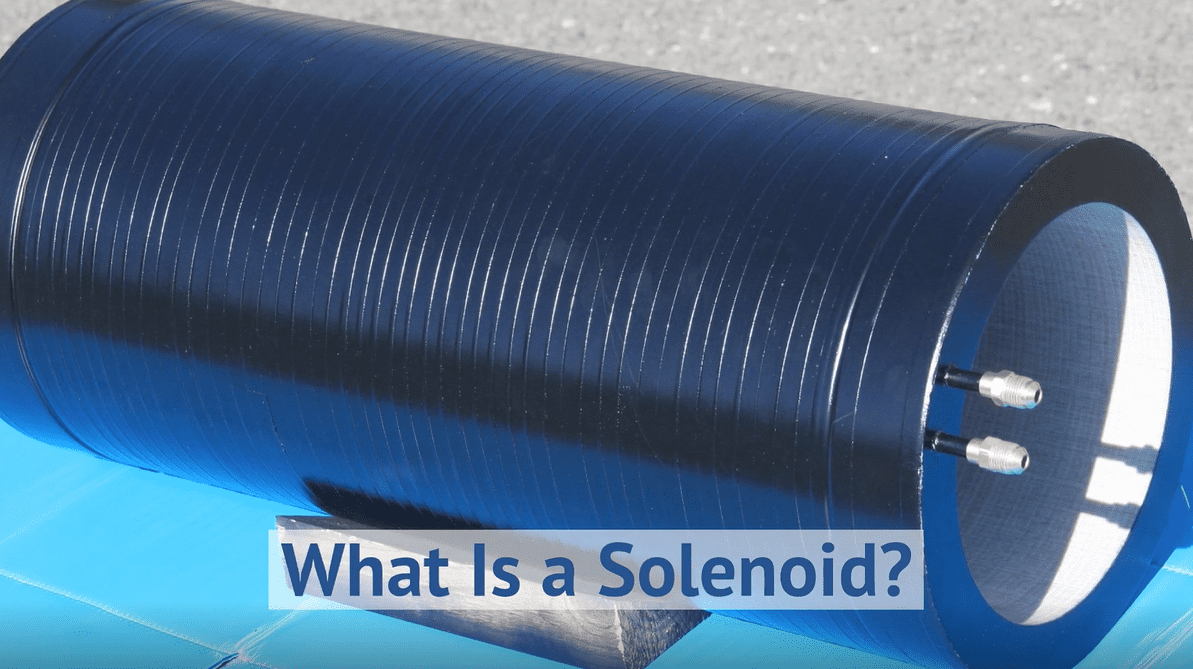
A solenoid is a type of electromagnet consisting of coiled copper wire wound tightly into a helix, a mobile plunger made of magnetic material, and an iron or steel housing. As electric current moves through a coil, the solenoid generates a magnetic field and proceeds to transform magnetic energy into mechanical motion. It does this through electromagnetic forces.
For example, solenoids are often used as a valve to actuate a push or pull force on a magnetic component in a device. Solenoids can also act as a switch in electromechanical devices. These electromagnetic devices are used in hundreds of everyday applications, from doorbells to car ignition systems.
Custom Coils designs and develops quality solenoids to meet the needs of your application. We work efficiently and expertly to create specialty coils for our valued customers.
How Does a Solenoid Work?
When an electric current is applied to a solenoid, it creates a powerful magnetic field that attracts or repels a magnetic material (i.e., a magnetic plunger) to move inside its housing. As the plunger moves back and forth, it creates the mechanical motion that powers the intended component.
Within a long solenoid, this magnetic field is uniform and strong. It is similar to what you would see with bar magnets. It combines field lines, positioned parallel with the coil’s inside, and fringe fields, which are external and weaker in strength. You can increase a solenoid’s strength by incorporating an iron core.
The ideal solenoid’s magnetic flux density, B, is represented by the following formula: B=μ·LN·I.
μ/mu_μ: Free space permeability
N/LN/LN/L: Turn density, or the number of turns per unit length
I: Current
Given the behavior of the field, solenoids are typically utilized in applications requiring a controlled magnetic field.
Solenoid magnets have an advantage over conventional permanent magnets because their magnetism can be switched on or off — or altered — as needed by removing or applying varying levels of electrical current. You can adjust the strength of the magnetic pull by increasing or decreasing the electrical current. Additionally, you can reverse the direction of motion based on the direction of current flow through the solenoid.
There are two basic types of solenoids: valve and electric. In valve solenoids, a constant electric current is applied to the solenoid. Once activated, the piston or plunger retracts to open the valve that would otherwise block the flow of material. Once the electromagnetic field is broken, the solenoid is deactivated and the valve will close.
Electric solenoids close circuits to allow engines to run. When the solenoid receives the electric current, it pulls nearby metal components in place to create a closed circuit. Constant electric current is required to keep the circuit closed and the engine running.
Types of Solenoids
Numerous solenoid types are available to suit the needs of diverse applications. These types include:
AC-laminated solenoid: This solenoid comprises a wire coil and a metal core made with laminated metal, which helps reduce stray currents and optimizes the solenoid’s performance. An AC-laminated solenoid has an inrush current, which delivers a greater amount of force in the initial stroke. This also means it can deliver more strokes than DC-laminated solenoids. Common applications of an AC-laminated solenoid include locks, medical devices, industrial equipment, vehicles, and other equipment that needs immediate operation.
DC C-frame solenoid: Some applications may also use a DC C-frame solenoid, which features a C-shaped frame that wraps around the wire coil. Suitable for many everyday applications ranging from gaming equipment and coin counters to scanners, camera shutters, and circuit breakers, this solenoid utilizes a stroke operation with excellent control. While it has a DC configuration, a solenoid of this type is actually AC power equipment compatible.
DC D-frame solenoid: Like C-frame solenoids, the DC D-frame solenoid operates with more controlled strokes and is compatible with AC power applications. The main difference is that the D-shaped frame is made with two joined pieces that shield the coil. ATMs, gaming machines, and gas- and blood-analyzing equipment often use this solenoid type.
Linear solenoid: This is one of the most widely recognized solenoids. A linear solenoid features a coil-wrapped metal core, delivering pushing or pulling force to operate a piece of equipment. This operation makes it popular for vehicle ignition systems and other such starting devices, as well as electric locks that allow locked vehicle doors to withstand significant force.
Rotary solenoid: If an application needs a simple automatic control process, it may use a rotary solenoid, which has the same essential components as other solenoids but with a unique mode of operation. A rotary solenoid uses a metal core located on a grooved disc to function. The size of the grooves is based on slots on the body of the rotary solenoid, and ball bearings facilitate and streamline motion. When it is powered on, the core draws back within the body while the disc core turns. When turned off, a spring forces the disc core into its original position. A more robust solenoid variety, the rotary solenoid has common applications in industrial tasks like automated lasers and shutters.
Latching solenoid: This solenoid type features a permanent magnet as well as a spring or related component to enable return force. Using just a brief excitation pulse, the latching solenoid will alter its end position. In the holding condition, it exhibits zero power or heat dissipation, so it is a good choice for temperature-sensitive applications. It is also compatible with systems that have minimal supply power because, at either end position, there is no power consumption. A latching solenoid is not, however, a good option for failsafe applications should a power failure occur.
Proportional solenoid: A type of advanced linear actuator, a proportional solenoid generates force that is proportionate to the amount of excitation current an application applies. This solenoid can, when a return spring is included in its construction, serve as a positioning device. Generally, it is utilized for position, flow control, tension, and force, and the proportional solenoid has common applications in hydraulic control systems, robotic systems, textile systems, and valves.
Applications for Solenoids
Without realizing it, you use solenoids every day. Solenoids vary in size and power, making them suitable for countless applications. Powerful solenoids consist of many coils, create strong magnetic fields, and can power large machinery. You can use a smaller, less powerful solenoid for smaller functions like ringing a doorbell. Some of the more common applications for solenoids include:
Mechanical or fluid control valves
Starting a car
Door locking mechanisms
Nail guns
Air conditioning controls inside vehicles
Powering signal systems in the railroad industry
While these simple but effective devices are used to actuate many common devices, they have become highly utilized in nontraditional physical motion applications, such as Ion Beam Accelerator systems. There are innumerable applications for solenoids, as any device that requires force to create mechanical movement can benefit from their functionality.
Solenoids in Automotive Systems
In automotive systems, the primary function of a solenoid is to carry electrical current from a car battery to the ignition system, as discussed. Typically, vehicles will have mounted solenoids on the starter motor or related starter components. Others might have them installed in another location within the engine compartment. Automotive manufacturers will often use latching or proportional solenoids, as two examples, for internal combustion engine and electric vehicle systems. Solenoid valves, additionally, play a role in fuel injection, transmission, and emission control systems.
Solenoids in Industrial Automation & Robotics
Within the industrial automation and robotics fields, solenoid-powered valves assist users in managing simple to complex pneumatic and hydraulic fluid flow within a system or piece of machinery. For example, they’re applicable for process control systems, conveyance systems, and equipment like actuators and robotic arms, in which they control actuator movement with great precision. Essentially, solenoids promote efficiency, dependability, safety, heightened speed, and overall operational improvements.
Solenoids in Medical Devices
Rotary and linear solenoids are good options for medical device applications. In equipment for medication dosing, dialysis, and monitoring blood pressure, these solenoids enable a high degree of force and stroke accuracy and reliability. This better allows medical devices to meet strict quality and safety standards within the healthcare industry while enhancing the lifespan of the equipment. Solenoid valves also play a part in anesthesia and oxygen therapy machinery, helping to automate critical medical processes and minimize the need for manual intervention.
Solenoids in Aerospace
Resulting in mechanical motion, solenoids have significant applications within the aerospace industry. They’re an important part of propulsion, release, and landing gear mechanisms as well as air- and spacecraft systems for flight control, power distribution, life support, fuel management, payload deployment, and optimal maneuverability. In satellites, solenoids are advantageous for attitude control systems, ensuring stability and precise orientation adjustment, and thermal management systems, facilitating temperature regulation and heat dissipation.
Custom Coils, Inc. Is Your Expert Partner for Solenoid Design & Manufacturing
Solenoids are important devices in much of the technology we use daily. These devices are effective, versatile, and easy to implement in your systems. From conception to production, the experts at Custom Coils will partner with you to determine your specific needs and customize the right solenoid device for your application. Contact us to learn more about our services, or request a quote today.
Posted by John Quinn on | Comments Off on Magnetorquers for Satellite Attitude Control
Emergency communications, navigation systems, the internet, and many other modern conveniences are only possible through satellite technology. As our world grows more interconnected via satellite, manufacturers must build satellites that provide reliable, long-term performance. Devices like magnetic torquers, or magnetorquers, provide high-quality attitude control and proper orientation of the satellite by interacting with the Earth’s magnetic field.
Learn more about the role of magnetorquers in satellite attitude control, how they work, and their applications.
Satellite Attitude Control: An Overview
Satellite positioning plays a critical role in each satellite’s ability to receive, collect, and transmit data. This is why satellites must continuously maintain exactly the right position and orientation while in orbit. Some of the key ways that satellite attitude control manages orientation are:
Positioning for different applications. Satellites need different orientations based on function. Earth observation satellites need a specific camera orientation, and communication satellites need their antennae at the right angle for maximum signal quality.
Protection against disturbances. Atmospheric drag, solar radiation pressure, and other external forces can make satellites rotate. Satellite attitude control systems can correct those effects.
Stabilizing. The satellite’s center of gravity can cause misalignment, and attitude control can correct bias.
Ultimately, satellite control solutions can help guarantee the success of the long-term mission by correcting misalignment over time. When designing these solutions, engineers need to consider limitations like the allowed weight, size, and energy consumption. Satellites may use a combination of different solutions ranging from control momentum gyroscopes to thrusts to reaction wheels, each of which has its benefits and tradeoffs. Magnetic torquers are a simpler, longer-lasting option with fewer points of failure.
What Are Magnetorquers and How Do They Work?
Magnetorquers have a magnetic coil or rod that generates a magnetic field whenever an electric current flows through the device. The field interacts with the Earth’s magnetic field, generating torque forces that move the satellite. Properly harnessed magnetorquers can generate the right torque to readjust satellites and move them back into alignment based on their core functions. Operating systems can control the magnetic field and the resulting movement by modifying the direction and magnitude of the electric current.
Depending on your satellite’s unique constraints and applications, different types of magnetorquers can provide optimal attitude control. The three most common types of magnetorquers are magnetic torquer bars, magnetic coils, and air core magnetorquers.
Magnetorquer Applications
Magnetorquers provide attitude control in satellites, CubeSats, backup systems, and orbit maneuvers, performing the following main functions:
Three-axis stabilization in three-axis control systems
De-tumbling after initial positioning
Deorbiting small satellites for re-entry
Desaturating reaction wheels
Unloading momentum from complementary control actuators
Get in Touch With Magnetorquer Experts at Custom Coils
Magnetorquers offer simpler and more streamlined control over satellite positioning and realignment. Engineers can install them as a primary satellite attitude control system or in conjunction with other options like reaction wheels. These versatile devices can generate finely attuned magnetic fields to reposition satellites, neutralize disturbances, and keep satellites on track. They’re also less resource-intensive and vulnerable to failure than other solutions.
At Custom Coils, Inc., we specialize in crafting custom state-of-the-art electromagnetic solutions and coils for major industries, including aerospace companies. Our expertise in satellite attitude control systems gives our clients more options for fine-tuned control and efficient assemblies.
Contact us today for assistance choosing the right magnetorquer for your satellites, or request a quote to start your project.
Posted by John Quinn on | Comments Off on RF Inductor Basics
Radiofrequency (RF) inductors are critical electronic components in applications from consumer products to complex scientific equipment. RF inductors perform numerous functions in high-frequency circuit applications, such as high-frequency chokes, filtering, impedance matching, and circuit tuning. These inductors are prevalent in modern technology, including IoT devices, wireless devices like tablets, and specialized applications such as testing equipment and GPS.
What Is an RF Inductor?
RF inductors are passive components that oppose sudden variations in electrical currents. Sometimes called chokes or coils, inductors are symbolized by an L on electrical documentation. When an electrical current flows through an RF inductor, the energy is stored in an electromagnetic field. Ideal for high-frequency electrical applications, RF inductors provide the following functions:
Impedance of Current Changes: An inductor installed inline or in series with a circuit board trace or wire impedes current changes, like AC noise, by storing the energy temporarily in its magnetic field before re-releasing it into the circuit.
Energy Storage and Voltage Creation: As the current traveling through the RF inductor varies over time, the energy in the inductor’s magnetic field produces an opposing voltage to impede the current from changing further.
Opposing Current Changes: The magnetic field slows the rate of change as the current passes through the inductor, regardless of whether it is decreasing or increasing. RF inductors work like shock absorbers dampening mechanical energy, dispersing electrical energy spikes or current noise that would otherwise damage the system.
Characteristics of RF Inductors
RF inductors work like other inductors, governed by the same rules of physics as power inductors. They are characterized in the same terms, with parameters like inductance, permeability, and turns. These similarities allow RF inductors to use the same formulas as conventional power inductors. RF inductors also share similar parameter ranges in their datasheets, including those for rated current, DC resistance, inductance, and tolerance.
However, RF inductors also have a quality factor that is crucial to validating the inductor for performance in a specific application. Here is an overview of all the basic parameters to consider when selecting or specifying an RF inductor:
Inductance Value and Tolerance: Inductance is the most important parameter of RF inductors. Similar to conventional power inductors, it is defined by the core’s relative permeability, the core’s cross-section, the core’s effective magnetic path length, and the number of turns around the core. RF inductors require a design with high inductance stability, flat inductance curves, and tight tolerances. Tight tolerances ensure the inductance value is as close to the nominal value as possible for impedance-matching applications, oscillator circuits, and high-order filters.
Self-Resonant Frequency (SRF): Constant inductance at the relevant frequency range is vital in impedance-matching and filter applications, meaning the inductor’s SRF must be well above the circuit’s operating frequency.
Quality Factor (Q): The inductor quality factor, or Q factor, is the ratio between reactance (XL) and losses (RS) and can indicate the ideal performance of an inductor for an application. Inductors with high Q offer low dissipation and can make finely tuned narrow-band circuits. Low Q inductors offer wideband performance with higher dissipation.
RF Inductors From Custom Coils
RF inductors are electrical components that impede and control currents flowing through them by storing the energy in an electromagnetic field, releasing the current at a controlled rate, and reducing noise. In RF inductor selection, many factors are identical to conventional power inductors. However, engineers also must review the quality factor of the RF inductor to verify if it is a good fit for their application. Custom Coils can help you select the ideal RF inductor for your application with our design and manufacturing experience.
Custom Coils has manufactured chokes and inductors for various applications since 1978. Our facility is ISO 9001:2015 and ISO 13485:2016 certified to ensure quality processes and products. We specialize in designing and manufacturing custom coils for thermal and high-power applications. Our full production cycle services include developing prototypes, small- to large-volume production, testing, and more.
Posted by John Quinn on | Comments Off on Semiconductor Wafer Fabrication Process
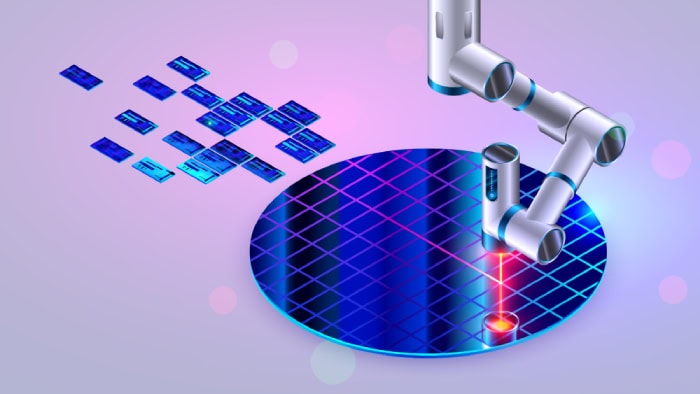
Semiconductors are vital components in everyday life, powering cars, mobile phones, computers, TVs, and even credit cards. Semiconductor manufacturing is complex, requiring many steps and precisely controlled processes. This blog will shed light on wafer fabrication, the first step of semiconductor manufacturing.
What Is a Semiconductor Wafer?
Semiconductors serve as substrates for building microelectronic devices that control the flow of electric current. A semiconductor wafer is a thin slice of semiconductor material used in electronics for manufacturing microchips, integrated circuits (ICs), photovoltaics, solar cells, and other semiconductor devices. Substrate wafers are essential components of modern electronic devices like computer chips, smartphones, and cameras.
Semiconductor wafers are typically made from very pure single-crystal silicon or other semiconductor materials like:
Germanium
Silicon germanium (SiGe)
Gallium arsenide (GaAs)
Sapphire (Al2O3)
Indium phosphide (InP)
Silicon carbide (SiC)
Zinc oxide (ZnO)
Gallium nitride (GaN)
Diamond
Semiconductor wafer diameters range from 25.4 mm to 450 mm, and thickness varies based on mechanical strength and material properties. Wafers smaller than 200 mm in diameter typically have flats to indicate crystallographic planes, and wafers 200 mm or larger use a small notch for orientation.
Semiconductor Wafer Fabrication Process
Making a semiconductor wafer is a complex process that requires operators to follow strict standards with high precision. The following steps describe the process of semiconductor wafer fabrication.
Creating an Ingot: After silicon is extracted from sand, it is purified using a heating and refining process. The purified silicon is then melted into a high-purity liquid and solidified through crystallization to form a silicon ingot. Only ultra-high purity ingots are fit for semiconductor use.
Slicing the Ingots into Thin Wafers: Operators use sharp diamond saw blades to slice the ingots into thin wafer discs. The diameter of the ingot determines the wafer’s size. Thinner wafers lower manufacturing costs, and larger wafers increase the number of semiconductor chips produced per wafer. As a result, wafers are trending thinner and larger.
Grinding: Surface grinding corrects issues like waviness from wire sawing. The grinding process produces high-quality wafers and can sometimes replace rough polishing and lapping.
Rounding: A diamond disk smooths the edges of sawn wafers to remove damage and ensure the wafer is the required diameter.
Lapping: Wafers then go through lapping, a mechanical process using pads and slurry to flatten and polish. This step removes excess silicon and surface damage to give the wafer a dull grey, semi-reflective finish.
Polishing: Polishing gives the wafers a mirror-like finish and helps prevent breakage and warping. The process also makes them thinner and more flexible.
Cleaning: Various cleaning methods—including pre-diffusion, RCA, mega sonic, and ozone cleaning—are used to remove contamination from the wafer due to air exposure.
Patterning: The cleaned wafer is then patterned in a process called photolithography. A light-sensitive layer, or photoresist, is applied to the wafer, followed by a mask on top of the wafer. This mask contains a pattern that corresponds to the required electronic component to be produced. The wafer is then exposed to UV light, which transfers the pattern from the mask to the photoresist.
Doping: Through ion implantation, certain impurities are added to the wafer to change its electrical properties. Boron and phosphorus are commonly used to create p-type and n-type semiconductors.
Deposition: Thin films of material are deposited onto the wafer to create the desired electronic components. Various techniques for deposition include physical vapor deposition, chemical vapor deposition, and atomic layer deposition.
Etching: Plasma etching, wet etching, or dry etching removes specific parts of the wafer, shaping it according to the intended electronic component.
Inspection: By comparing photos of different dies, specialized tools inspect the wafers for defects. The most common technologies used for inspection include electron-beam inspection and brightfield inspection.
Need Coils for Semiconductor Wafer Fabrication?
The semiconductor wafer fabrication process depends on highly precise, controlled RF and electromagnetic coils. During deposition, doping, and etching, magnetic coils generate the necessary electromagnetic fields of different sizes, strengths, and consistencies to give the semiconductor wafers different properties.
Custom Coils specializes in designing, engineering, and manufacturing coils for semiconductor manufacturing, such as electromagnets for dielectric and polysilicon etching. Contact us to get started on your semiconductor wafer fabrication project today.
Posted by John Quinn on | Comments Off on The Basics of Coil Winding
Coil winding involves wrapping a wire around a cylindrical object in a spiral-like shape to produce a standalone coil or a coil on a toroid, bobbin, or other type of center support. The coil may be made of one or more layers of wires depending on its intended application.
The following factors influence the type of coil winding used in an application:
Dimensions, shape, and geometry of the coil design
Inductance properties
Insulation strength
Magnetic field requirements
Available space
Specific location of the coil in the device or system
Due to these factors, coil winding is a complex art and science. Learn more about the basics of coil winding and the different types of coil winding techniques.
Coil Winding: Basics and Machinery
An electric coil is an electrical conductor with a series of conductive wires wrapped around a core. Found in electric generators, motors, electromagnets, and inductors, electric coils provide a reliable, consistent method of inductance, effectively opposing a current’s flow.
Utilizing different types of coil winding techniques allows engineers to create single or multiple-layer coils for electronic components that meet voltage, electrical current, and heat insulation requirements.
Manual and automated winding systems are commonly used in the production of coils. The factors which influence which option is utilized includes specific design parameters and volume requirements.
As manual methods have evolved into automated processes, coil winding machinery offers enhanced precision, efficiency, and quality, benefiting most applications and industries.
Diverse Coil Winding Techniques
Engineers select the appropriate method of coil winding based on space availability, coil location, and other design specifications. Each technique offers a unique set of features and characteristics.
Wild Coil Winding
Wild coil winding is a quick and easy method that wraps the wire unevenly in a cross-winding pattern. The random wire placement results in a wider range of electric coil resistances and a wider distribution of wire lengths on the coil’s body. This type of coil winding is commonly used in high-volume mass production and is best suited for the following applications:
Devices with small wire gauges
Ignition coils
Relay coils
Small electric motors
Small transformers
Helical Coil Winding
In helical coil winding, the wire is uniformly wound in layers around a cone or cylinder to create a three-dimensional spiral shape. Each layer contains wires wound in the direction of movement, alternating between right-hand and left-hand, with each layer of wire resting in the gaps of the underlying layer. Helical coil winding is used in low-voltage windings and can include several strands or up to a hundred continuously parallel wires.
Orthocyclical Coil Winding
Orthocyclic winding is an efficient method that allows each layer of wire to fit into the grooves of the layer beneath it. Its high fill factor of 90% creates a strong magnetic field. This winding pattern allows for maximum usage of space and continues over each layer. Every turn occurs parallel to the next, with only a fractional shift between each layer.
Sandwich Coil Winding
Sandwich coil winding is a unique layered design where high-voltage windings are sandwiched between two low-voltage layers to reduce leakage flux. This type of coil winding is primarily used in transformer production and looks like a series of discs.
Bobbin Coil Winding
A bobbin coil consists of wire wrapped around a bobbin, which will vary based on current and voltage levels, operating frequency, and rating. Bobbin coils are often used in power conversion units and switch-mode power supplies, as well as many other applications.
Contact Custom Coils, Inc. for All Your Coil Winding Needs
Automated and manual winding machinery and various types of coil-winding techniques play a critical role in the performance of the intended electrical device. At Custom Coils, Inc., we have the knowledge and expertise to perform the method that best suits the demands of your specific application.
Contact us or request a quote to learn more about coil winding and how Custom Coils can serve your needs.
Posted by John Quinn on | Comments Off on Solenoids: Working Principle, Types & Applications
A solenoid is a variety of electromagnet consisting of a copper wire coil wound tightly into a helix, an iron or steel housing, and a mobile plunger made of magnetic material. When an electric current passes through the coil, the solenoid produces a magnetic field and converts that magnetic energy into mechanical motion. Essentially, a solenoid converts electrical energy into mechanical work through electromagnetic forces. For example, solenoids are often used as a valve to actuate a push or pull force on a magnetic component in a device. Solenoids can also act as a switch in electromechanical devices. These electromagnetic devices are used in hundreds of everyday applications from doorbells to car ignition systems.
Custom Coils designs and develops quality solenoids to meet the needs of your application. We work efficiently and expertly to create specialty coils for our valued customers.
How Does a Solenoid Work?
When an electric current is applied to a solenoid, it creates a powerful magnetic field that attracts or repelsa magnetic material, ie magnetic plunger, to move inside of its housing. As the plunger moves back and forth, it creates the mechanical motion that powers the intended component.
Solenoid magnets have an advantage over conventional permanentmagnets because their magnetism can be switched on or off as needed by removing or applying the electrical current. You can adjust the strength of the magnetic pull by increasing or decreasing the electrical current. Additionally, the direction of motion can be reversed based on the direction of current flow through the solenoid.
There are two basic types of solenoids: valve and electric. In valve solenoids, a constant electric current is applied to the solenoid. Once activated, the piston or plunger retracts to open the valve that would otherwise block the flow of material. Once the electromagnetic field is broken, the solenoid is deactivated and the valve will close.
Electric solenoids are used to close circuits to allow engines to run. When the solenoid receives the electric current it pulls nearby metal components in place to create a closed circuit. Constant electric current is required to keep the circuit closed and the engine running.
Types of Solenoids
AC-Laminated Solenoid: These solenoids comprise a wire coil and a metal core made with laminated metal, which helps reduce stray currents and optimizes the solenoid’s performance. AC-laminated solenoids have an inrush current, which delivers a greater amount of force in the initial stroke. This also means they can deliver more strokes than DC-laminated solenoids. Common applications of AC-laminated solenoids include locks, medical devices, industrial equipment, vehicles, and other equipment that need immediate operation.
DC C-Frame Solenoid: Some applications may also use a DC C-frame solenoid, which features a C-shaped frame that wraps around the wire coil. This solenoid uses a stroke operation with more control, making it suitable for many everyday applications, like circuit breakers, camera shutters, scanners, coin counters, and gaming machines. Though it utilizes DC configuration, DC C-frame solenoids are compatible with AC power equipment.
DC D-Frame Solenoid: Like C-frame solenoids, DC D-frame solenoids operate with more controlled strokes and are compatible with AC power applications. The main difference is that the D-shaped frame is made with two joined pieces that shield the coil. ATM machines, gaming machines, and gas- and blood-analyzing equipment often use these solenoids.
Linear Solenoid: This is one of the most widely recognized solenoids. Linear solenoids feature a coil-wrapped metal core, delivering pushing or pulling force to operate a piece of equipment. This operation makes it popular for use in many starting devices, such as vehicle ignition systems. Linear solenoids are also ideal for use in electric locks to enable the door to withstand significant forces when locked.
Rotary Solenoid: If an application needs a simple automatic control process, it may use a rotary solenoid, which has the same essential components as other solenoids but with a unique mode of operation. Rotary solenoids function using a metal core situated on a grooved disc. The grooves are sized according to the slots on the solenoid’s body, and ball bearings allow for improved ease of motion. When it’s powered on, the core withdraws into the solenoid’s body and the disc core rotates. When it’s powered off, a spring pushes the disc core back to its starting position. Because they are more robust than other types of solenoids, rotary solenoids are often used in industrial applications like automated shutters and lasers.
Applications for Solenoids
Without realizing it, you use solenoids every day. Solenoids vary in size and power, making them suitable for countless applications. Powerful solenoids consist of many coils, create strong magnetic fields, and can be used to power large machinery. A smaller, less powerful solenoid can be used for smaller functions like ringing a doorbell. Some of the more common applications for solenoids include:
Mechanical or fluid control valves
Starting a car
Ringing a doorbell
Door locking mechanisms
Nail guns
Air conditioning controls inside vehicles
Powering signal systems in the railroad industry
While these simple but effective devices are used to actuate many common devices, they have become highly utilized in nontraditional physical motion applications, such Ion Beam Accelerator systems.
There are innumerable applications for solenoids, as any device that requires force to create mechanical movement can benefit from their functionality.
Custom Coils is Your Expert on Solenoid Design and Manufacturing
Solenoids are important devices in much of the technology we use daily. These devices are effective, versatile, and easy to implement in your systems. From conception to production, the experts at Custom Coils will partner with you to determine your specific needs and customize the right solenoid device for your application. Contact us to learn more about our services orrequest a quote today.
Posted by John Quinn on | Comments Off on A Guide to Magnetic Particle Imaging (MPI)
Medical professionals rely on access to high-quality preclinical imaging tools to monitor healthy and diseased tissue, make diagnoses, and develop treatment plans. Three tomographic preclinical imaging options have been available over the last few decades: positron-emission tomography (PET), computed tomography (CT), and magnetic resonance imaging (MRI).
Each has its own drawbacks, from using ionizing radiation to achieve images or lacking the capability for real-time 3D volume imaging. However, magnetic particle imaging (MPI), a new, cutting-edge preclinical imaging technology, promises to provide superior insight into our biology and diseases’ effects on it down to the molecular level.
What Is Magnetic Particle Imaging (MPI)?
MPI creates three-dimensional, finely detailed images of organs, tissues, cells, and molecular-level specimens. It utilizes specialized imaging hardware coupled with tracers of specific metal particles called super-paramagnetic iron oxides (SPIOs). Once a medical professional has introduced the tracers into the patient’s targeted systems, the patient moves to the MPI scanner’s imaging region, where they’re exposed to a magnetic field. The SPIOs interact with the equipment’s field gradient, creating detailed particle images of the examined tissue, system, or region with optimal resolution and contrast.
The Problems MPI Solves
MPI systems address two critical issues that other modern-day scanning options struggle with:
Profusion imaging. Medical professionals run billions of dollars worth of profusion scans each year to track the flow of blood through tissue or an organ like the heart or brain. However, the images often lack the detail or resolution that would allow for early medical detection and intervention.
Radiation and contrast agents. Scanning technology often requires the use of radioactive tracing elements and contrast agents. Patients cannot regularly be exposed to these volatile substances, so medical professionals can only take a limited number of scans, further exacerbating the risk of missed disease indicators.
Alternatively, MPI can pick up on small abnormalities, so it assists with diagnosing diseases sooner because of the superior sensitivity of the technology. Medical professionals won’t need a high volume of SPIO tracers to produce an image, and SPIOs are also safer for patients.
How MPI Works
Rather than detecting tissue itself, MPI works by tracking the movement of SPIO particles in specific tissues, organs, or areas of the body. Medical professionals can even target the application of tracers to focus on a single factor, like CAR T-cells.
These systems have two permanent, sizable MPI magnets directed at each other, generating a strong magnetic field. However, in the middle of the MPI magnetic field, there is a field-free, or fueled-free, region (FFR) that generates little magnetic force in a known location. This field-free region will interact with any SPIO nanoparticles with which it crosses paths, making these particles flip, which the MPI receiver coil then interprets as a signal.
The MPI moves the magnetic field very quickly over the patient in the equipment’s imaging region, causing all of the SPIO particles to flip. These signals, as the technology understands them, pinpoint a specific location and MPI translates them into a quantitative, finely detailed 3D image through tracer distribution.
How MPI Differs From Other Imaging Techniques
MPI operates very differently from other imaging methods, providing a higher degree of image quality. Though they have different magnet architectures, MPI is often compared to MRI, which uses magnets to identify resonance from the H nucleus and other nuclear spins. MRI technology has common applications in anatomical imaging but doesn’t provide the same fine-tuned imaging on a small scale that MPI can.
Rather than picking up on nuclear signals, MPI detects nanoparticles’ magnetization, allowing for a much greater degree of sensitivity and better success in cellular imaging tasks. Compared to PET imaging and MRIs, MPI is also a faster imaging option.
Applications of MPI
With various uses in the medical sector, key MPI applications include:
Early cancer, cerebrovascular, and cardiovascular disease detection. With sub-micromolar sensitivity, MPI doesn’t have to use radiation but can still achieve reliable screening results for earlier, better illness detection.
Perfusion imaging of the heart. Similarly, its sensitivity allows healthcare professionals to receive enhanced heart images for better evaluation.
Monitoring treatment progress. Given its spatial and temporal resolution capabilities with a zero background signal for endogenous tissue, use of long circulation half-life particulate, and speedy access, MPI is adept at monitoring ongoing treatments.
Benefits of MPI
MPI is particularly advantageous because of its superior sensitivity, speed, and safety compared to other imaging options. It doesn’t rely on radiation like PET or x-rays like CT, so it makes more frequent screenings possible. Also, the system is easy to operate, even without dedicated personnel, so medical researchers can gather data on their own.
Most importantly, MPI produces industry-best, high-resolution images that can dramatically improve early detection, diagnosis, and treatment development. It has the potential to one day scale from preclinical to clinical applications as an alternative to radiation-using PET and SPECT scans.
Custom Coils Provides Magnetic Coils for the Medical Industry
Coils and electromagnetic assemblies are critical to the efficiency and dependability of advanced imaging and scanning technologies. Our expert team works with companies in the demanding medical and research areas of this sector to create high-quality, industry-compliant coils, inductors, and electromagnets. We understand that, particularly in critical industries, there is no one-size-fits-all solution, and so we draw on decades of experience to collaborate with you and find the material and design that will ensure accuracy and longevity in your product. Contact us to learn more about our capabilities for your components’ full development cycle, or request a quote today for pricing details.
Posted by John Quinn on | Comments Off on Electromagnets in the Aerospace Industry: Thrusters
Electromagnetic propulsion (EMP) requires two primary components: an electromagnet to generate the magnetic field and a propulsion component. EMP uses a current from the magnetic field to accelerate the object. Through Lorenz Force, the electrified conductor encounters a force in a perpendicular direction to the magnetic field and the current. If a liquid or gas is used for propulsion instead of a conductor, this force is called Magneto Hydro Dynamic drive.
The concept of electric propulsion is gaining popularity in the aerospace industry for use as a spacecraft thruster. For decades, the aerospace industry has led research into electric propulsion, focusing on electric propulsion diagnostics. The aerospace industry has long applied advanced diagnostics to thruster characterization, and now it is using various plasma probes to analyze the electric potential, density, and electron temperature of plasma. Aerospace researchers were the first to characterize electric propulsion thrusters using various diagnostic tools, including electromagnetic radiation measurement.
How Electromagnetic Propulsion Will Work
While space travel has thus far been limited to chemically-propelled rocket engines, in the early 21st century, antimatter, nuclear fusion, and light propulsion techniques are becoming promising means for space travel. New spacecraft without a means of propellant are also being introduced. These spacecraft would be moved through space using electromagnets.
At very low temperatures, electromagnets exhibit unique behavior—once electricity is applied, they vibrate for a few nanoseconds. Researchers hypothesize that if the vibrations are contained in a single direction, the jolt could propel the spacecraft further and faster than any other propulsion method can.
Types of Thrusters Used in Space Applications
Space applications rely on the following types of thrusters:
Field Emission Electric Propulsion: This type of propulsion relies on indium, cesium, or another metal ion. It applies a potential difference of several kilovolts between accelerator electrodes and an emitter, accelerating the ions at high speeds. Satellites use field emission electric propulsion for precision direction and altitude control.
Gridded Ion Thruster: This is a thrust system that uses electrostatic forces to accelerate ions. Negatively charged electrodes on the thruster’s downstream end create the electric field to facilitate acceleration. Coaxial apertures on the electrode function as lenses by focusing the ions. Positively charged upstream electrodes act as an accelerator grid, which attracts the ions and creates numerous ion jets. The amount of voltage applied affects the ions’ exhaust velocity in the beam.
High-Efficiency Multistage Plasma Thruster: THALES Electron Devices in Germany developed this thruster, based on the ion thruster principle. It consumes propellant at a rate below 20% of the chemical system. The magnetic exit cusp confines low-energy neutralizer electrons to maintain a reduced plasma potential toward the thruster end, resulting in only a few electrons reaching the discharge channel’s exit cusp. The electrons that escape get trapped along the bent magnetic flux lines in spirals. The strong magnetic field gradient acts like a mirror, reflecting electrons in a radial direction.
Hall Effect Thruster: This thrust system depends on electrostatic potential to accelerate ions. At the thruster’s open end, plasma creates a negative charge. A radial magnetic field equal to approximately 0.03 Tesla confines the electrons, while xenon gas or other propellant is fed through an anode and diffuses into the thruster’s channel, where the electrons ionize it. The propellant ions are accelerated between the cathode and anode.
Magneto Plasma Dynamic Thruster: Based on the principle of Lorenz Force, Magneto Plasma Dynamic Thrusters eliminate the need for fuel combustion. Xenon, argon, neon, or another gas is ionized as it is fed into the accelerator chamber. The power source creates an electric and magnetic field, and the ionized gases are propelled out of the exhaust chamber, generating thrust.
Pulse Plasma Thruster: As the most simple electric propulsion system, the pulse plasma thruster was used in 1960s Soviet-era spacecraft. An arc sent through fuel turns into plasma, which then travels between two capacitor-charged plates, charging the plasma and creating an electron flow. A strong electromagnetic field is created, exerting Lorenz Force and exhausting the accelerated plasma at high velocities. It functions on similar principles to a railgun.
Quad Confinement Thruster: Using eight electromagnets, quad confinement thrusters generate a convex magnetic field with a central cusp and four outer cusps on the periphery. Accelerated ions pass through a Hall Effect static field to create thrust.
Contact Custom Coils for Your Electromagnet Needs!
Many applications depend on electromagnetic propulsion, including spacecraft and military aircraft. Electromagnetic propulsion is being researched for missile launches, long-range artillery, and direct-fire tank guns. It is also an essential technology in enabling all-electric submarines and naval ships in the future.
Custom Coils has been developing, testing, and manufacturing specialty coils since 1978. We specialize in creating custom coils for challenging applications, such as vacuum, zero gravity, and extreme temperature conditions typical to the aerospace industry. Contact us or request a quote to learn more about our capabilities.